Scope
Define the event, person, vehicle or area each approved camera must show and note lighting or privacy constraints.

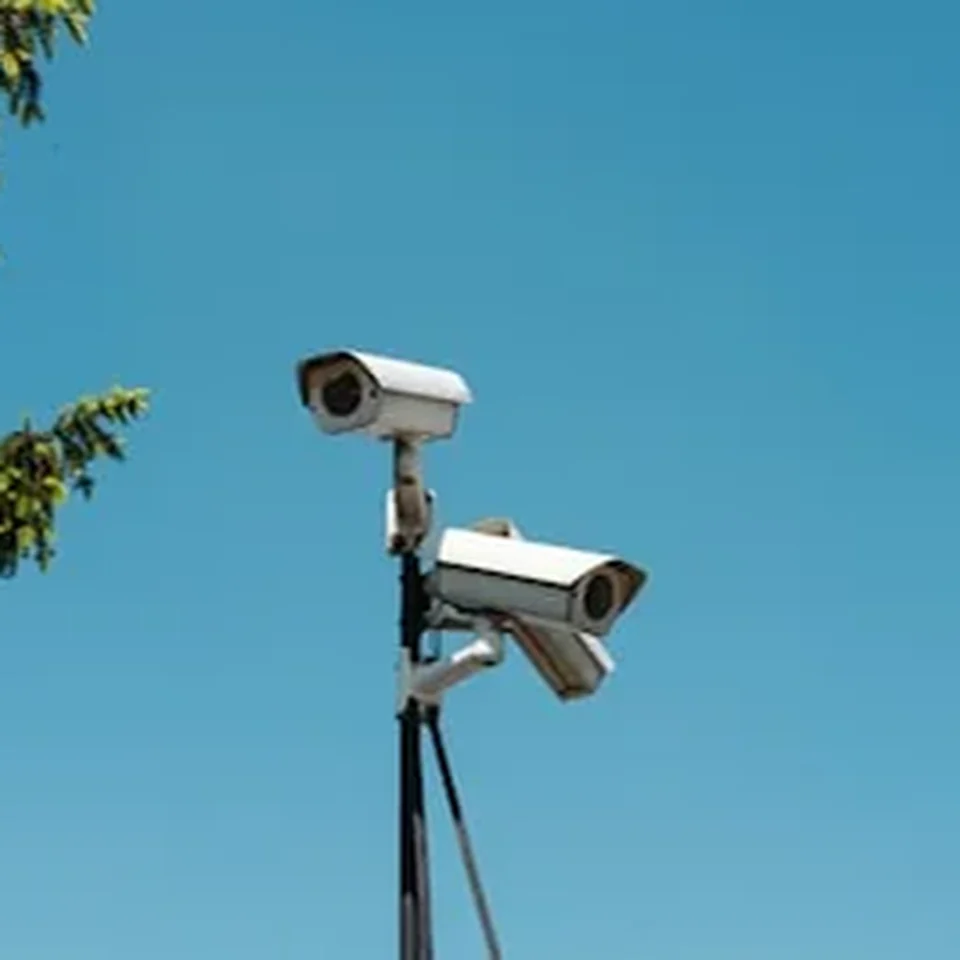
Hikvision and compatible IP camera infrastructure designed around useful views, dependable recording, retention needs, secure remote-view readiness and serviceable PoE cabling.
Hikvision is a third-party brand name used to describe compatible system integration. No manufacturer authorization, endorsement or formal partnership is implied unless expressly documented.
Camera count is not the goal. Lens and placement choices, useful evidence views, reliable PoE, sensible retention, recorder capacity and secure access are what turn Hikvision or compatible hardware into a working surveillance system.
Coverage objective, scene detail, lighting, retention, bandwidth, storage, mounting access and viewing responsibility determine the system. Camera quantity comes after those decisions.
Entrances, transaction points, yards, corridors, warehouses and multi-site environments require different views. Each location should be tied to an evidence or awareness objective.
The work is only complete when the intended scene reaches the recorder, can be retrieved and remains understandable to the people responsible for the system.
Define the event, person, vehicle or area each approved camera must show and note lighting or privacy constraints.
Select placement, lens/view, resolution, PoE path, recorder/VMS responsibility, retention target and access method.
Mount cameras, terminate and label cabling, organize switching/recording hardware and establish approved device settings.
Check live view, time, recording, playback, export, user access and documented blind spots or external dependencies.
A camera view is not enough. The handoff should confirm recording, retrieval and the limits of the approved coverage.
Verify the intended scene in representative lighting where practical.
Match camera names, locations, switch ports and recording channels.
Confirm basic playback/export workflow and authorized access responsibility.
Document occlusions, retention assumptions, unavailable credentials or network work outside scope.
This browser-local demonstration shows digital pan/zoom, display overlays and motion-analysis concepts using FOXAI media. It is not a live customer camera feed, not thermal sensor data, and does not control physical cameras or gates.
Open a contained viewer to test digital PTZ, zoom telemetry, simulated analytics coloration and browser-local frame-delta motion indication.
The viewer accepts same-origin HLS when the deployment provides an authorized stream gateway, with local MP4 fallback for the public demonstration.
Discuss a CCTV scope →RTSP usernames, passwords and NVR credentials should never be embedded in browser source. Production feeds belong behind an authenticated gateway and private access controls.
View privacy approach →Demonstration media only — not live surveillance.
Send a floor plan or photos, target views, camera count if known, retention goal, existing recorder/platform and remote-access expectations.
Video surveillance belongs to the protection layer, but its reliability depends equally on network capacity, PoE, storage, naming and an evidence-focused handoff.